In many companies, major logistics problems don’t start with transportation. Nor do they start in the warehouse. They begin earlier, with something that seems much simpler: organizing a delivery appointment.
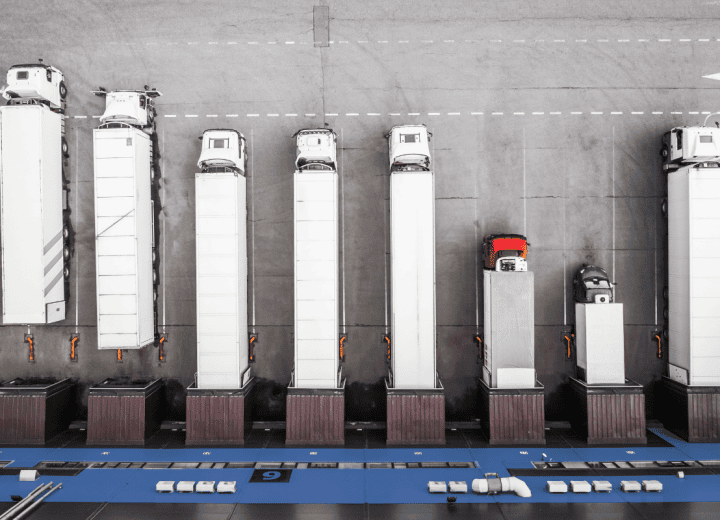
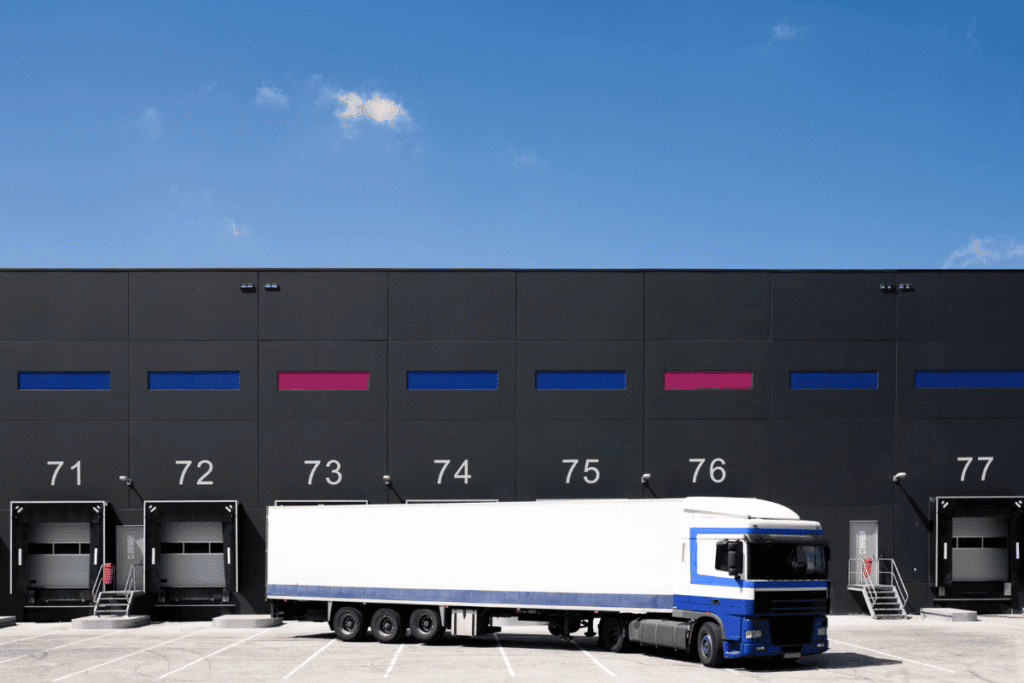
A truck arrives too early. Another waits at the dock for two hours. An unloading operation is delayed because nobody confirmed a schedule change. The warehouse is overloaded at 9:00 a.m. and empty by noon.
These situations are so common that many companies have simply normalized them. The problem is that this daily disorganization comes at a huge cost: lost productivity, operational pressure, transport surcharges, and the constant feeling of working in “firefighting mode.”
What’s even more concerning is that, even in 2026, many operations still manage appointments through emails, phone calls, or disconnected tools that do not communicate with each other.
The main problem: no one has a complete view of the operation
In theory, supply chain planning should be simple: transportation organizes routes, the warehouse manages capacity, and both work in coordination. In practice, this rarely happens.
Most companies still separate transport planning from actual dock management. And this disconnect creates a particularly damaging domino effect across the entire operation.
A route may look perfectly optimized on paper, but it stops being profitable the moment the carrier arrives and discovers three trucks already waiting ahead.
That’s when the hidden costs appear, costs that are almost never properly analyzed:
- Unrecorded waiting times
- Temporary dock congestion
- Penalties for missed delivery windows
- Additional miles caused by last-minute reorganizations
- Administrative overload from handling incidents
The issue is not only operational. It is also financial.
According to several industry studies, waiting times and dock inefficiencies represent one of the biggest hidden transportation costs, especially in high-volume or multi-client distribution operations.
And yet, many companies still manage this process without traceability or real-time visibility.
When every department works with a different version of reality
One of the biggest mistakes in logistics is assuming that transportation ends when the route is planned.
In reality, the operation truly begins when the truck arrives at the dock, and that is usually where the major clash between planning and execution occurs.
The transportation department and the warehouse do not necessarily work with the same schedules. Carriers receive only partial information. And last-minute changes are communicated too late, or sometimes not communicated to all parties involved at all.
The result: teams waste time constantly reorganizing priorities. Carriers adapt routes on the fly. And logistics managers end up spending more energy resolving incidents than actually optimizing operations.
In this context, the problem is no longer just a lack of tools. It is a lack of synchronization.
Delivery appointment management can no longer operate outside the main workflow
For years, many companies treated appointment management as a secondary administrative task. But growing pressure on costs, deadlines, and operational capacity has completely changed that reality.
Today, dock availability must be integrated into logistics planning from the very beginning.
And that means connecting transportation, warehouse operations, and resources within the same operational workflow.
From coordinating appointments to managing logistics capacity
This is where solutions like our TMS OneWorld provide a much more operational and practical approach for day-to-day management.
With OneWorld, companies can:
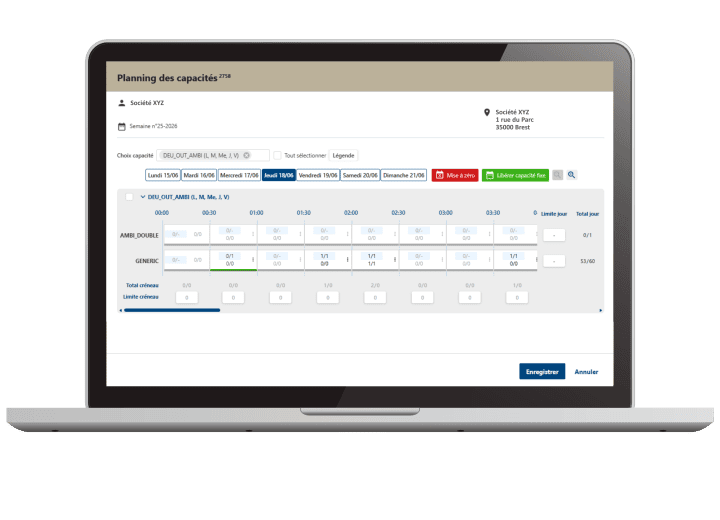
- Configure docks, resources, and time slots based on forecasted volumes and activity
- Define assignment rules by carrier or cargo type
- Manage appointment confirmations directly within the operational workflow
- Share real-time visibility between warehouse, planning, and transportation teams
- Maintain complete traceability of changes, validations, and incidents
This prevents a very common issue in many organizations: multiple systems, multiple schedules, and multiple versions of the same operation.
And when everyone works from the same information, coordination improves immediately.
What really changes in day-to-day operations
When appointment management no longer depends on phone calls and emails, the benefits are not just technological.
The operational improvements become visible very quickly:
- Less idle time at the dock
- Fewer last-minute emergencies
- Better resource utilization
- Reduced penalties and transport surcharges
- Greater ability to anticipate issues
But above all, the sense of control changes. Teams stop constantly reacting to avoidable problems and start operating with greater visibility, better forecasting, and less pressure.
Because in the end, efficient logistics is not only about moving goods quickly. It is about ensuring transportation, warehouse operations, and planning work in sync.
And very often, that difference begins with something as simple and as strategic as a delivery appointment.